 Rabbit Care
Rabbit Chewing and Digging: Redirect, Not Stop
Chewing and digging are natural rabbit behaviours you cannot eliminate. Learn how to redirect them safely to protect your home and your rabbit.
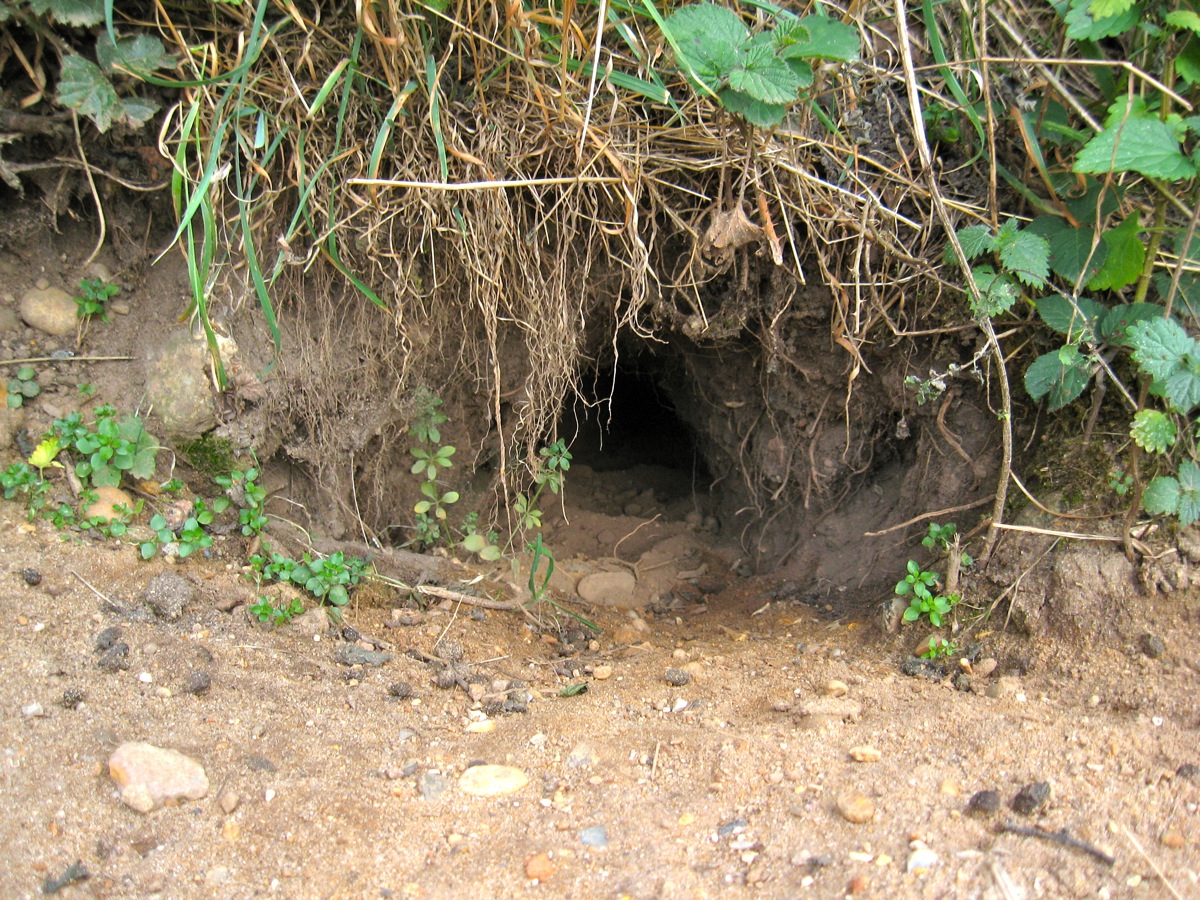
Walk into any room where a rabbit has free-roam access and you’ll quickly discover the two behaviours that surprise new owners most: chewing and digging. Skirting boards, carpet corners, cables, furniture legs — nothing is truly safe. But before you resign yourself to a destroyed home or restrict your rabbit to a pen, understand this: chewing and digging are not problem behaviours. They are fundamental biological needs, and the goal is not to stop them but to redirect them appropriately.
Why Rabbits Chew
Dental Necessity
Rabbits are hypsodont animals — their teeth grow continuously throughout their lives at a rate of approximately 2–3mm per week. Unlike humans, whose teeth stop growing, a rabbit’s incisors and molars never stop. Chewing is the primary mechanism by which rabbits wear down their teeth and prevent the overgrowth (malocclusion) that causes some of the most painful and expensive health problems in domestic rabbits.
A rabbit that is chewing your furniture is, in part, simply trying to maintain its dental health. The solution is not to stop them chewing — it’s to give them better things to chew.
Enrichment and Curiosity
Beyond dental needs, rabbits chew to investigate their environment. Their mouths function somewhat like hands — tasting, testing, and exploring. A rabbit that has insufficient enrichment or mental stimulation will chew whatever is available.
Boredom
A bored rabbit is a destructive rabbit. Insufficient free-roam time, an under-stimulating environment, and lack of companionship all increase destructive chewing behaviour dramatically.
Why Rabbits Dig
Digging is an instinct inherited directly from their wild ancestors. European wild rabbits (Oryctolagus cuniculus) construct elaborate underground warren systems, with females doing most of the digging. The urge to dig is deeply hardwired, particularly in:
- Unspayed females — hormonal drive to create nesting burrows, especially if reproductively active or experiencing phantom pregnancies
- Intact males — territorial digging near enclosure boundaries
- Bored rabbits of any sex — displacement behaviour when their environment lacks stimulation
Safe Chewing Alternatives
Natural Wood Options
Provide rabbit-safe wood items for chewing:
- Apple, pear, willow, hazel — all safe and appealing
- Untreated wicker or seagrass toys — available from specialist pet shops
- Compressed hay sticks — satisfy both chewing and dietary needs
- Cardboard — empty toilet rolls, cardboard boxes, egg cartons — free and endlessly interesting
Avoid
- Treated, painted, or varnished wood
- Softwoods (pine, cedar) — phenolic compounds are harmful
- Plastic toys not specifically rated as rabbit-safe (sharp fragments when chewed)

Providing Safe Digging Outlets
The Dig Box
A dig box is the single most effective solution for redirecting digging behaviour:
- Use a large cardboard box, wooden crate, or plastic storage tub
- Fill with torn paper, shredded newspaper, hay, or child-safe play sand
- Hide treats or dried herbs within the material to encourage foraging
- Some rabbits prefer soil or compost (messy but instinctively satisfying)
Many rabbits will spend 15–30 minutes at a time in a well-set-up dig box — this is excellent mental enrichment.
Outdoor Digging Areas
If your rabbit has outdoor access, a designated digging pit (raised bed with loose soil or sand, securely enclosed) allows safe digging without undermining fences or escape routes.
Protecting Your Home
Cable Management
Cables are dangerous — a rabbit that chews through a live electrical cable can be electrocuted. Solutions:
- Route cables through hard plastic conduit or cable trunking (available from hardware shops)
- Use split loom tubing for individual cables
- Lift cables completely out of reach along walls
Furniture and Skirting Boards
- Apply bitter apple spray (pet-safe deterrent) to corners they target
- Use clear plastic corner guards or furniture protectors
- Block access to areas with particularly valuable furniture using pen barriers
Carpet
- Lay washable mats or tiles over targeted carpet corners
- Use foam floor tiles as a temporary barrier
- Address the underlying cause (boredom, insufficient dig outlet)
Never Punish Chewing or Digging
Punishment is counterproductive and harmful:
- Rabbits do not connect punishment to the act retrospectively
- Startling or chasing a rabbit causes serious anxiety and erodes trust
- The behaviour will continue — just out of your sight
The only effective intervention is redirection: removing access to the item and providing an appropriate alternative in the same moment.
The RabbitCare App
Tracking enrichment activities — when you set up a dig box, introduced a new chew toy, or changed the environment — helps you identify which interventions actually reduce destructive behaviour. The RabbitCare App (free on Android) includes a daily care log where you can note your rabbit’s enrichment activities and behaviour patterns.
References & Sources
- RWAF — “Understanding Rabbit Behaviour” — rabbitwelfare.co.uk
- House Rabbit Society (HRS) — “Chewing and Digging” — rabbit.org
- Harcourt-Brown, F. (2002) — Textbook of Rabbit Medicine, Butterworth-Heinemann
- McBride, A. (2011) — Why Does My Rabbit…?, Souvenir Press
- PDSA — “Rabbit Behaviour and Enrichment” — pdsa.org.uk
Free Android App
Master Your Rabbit's Care
Make daily bunny care effortless. Download the free Rabbit Care App for customized care plans, expert vet advice, and smart daily tracking.


