 Rabbit Care
How to Brush Your Rabbit: A Coat-Type Guide
Brushing frequency and technique depends on your rabbit's coat type. Learn the right tools and methods for short, medium, long, and rex coats.
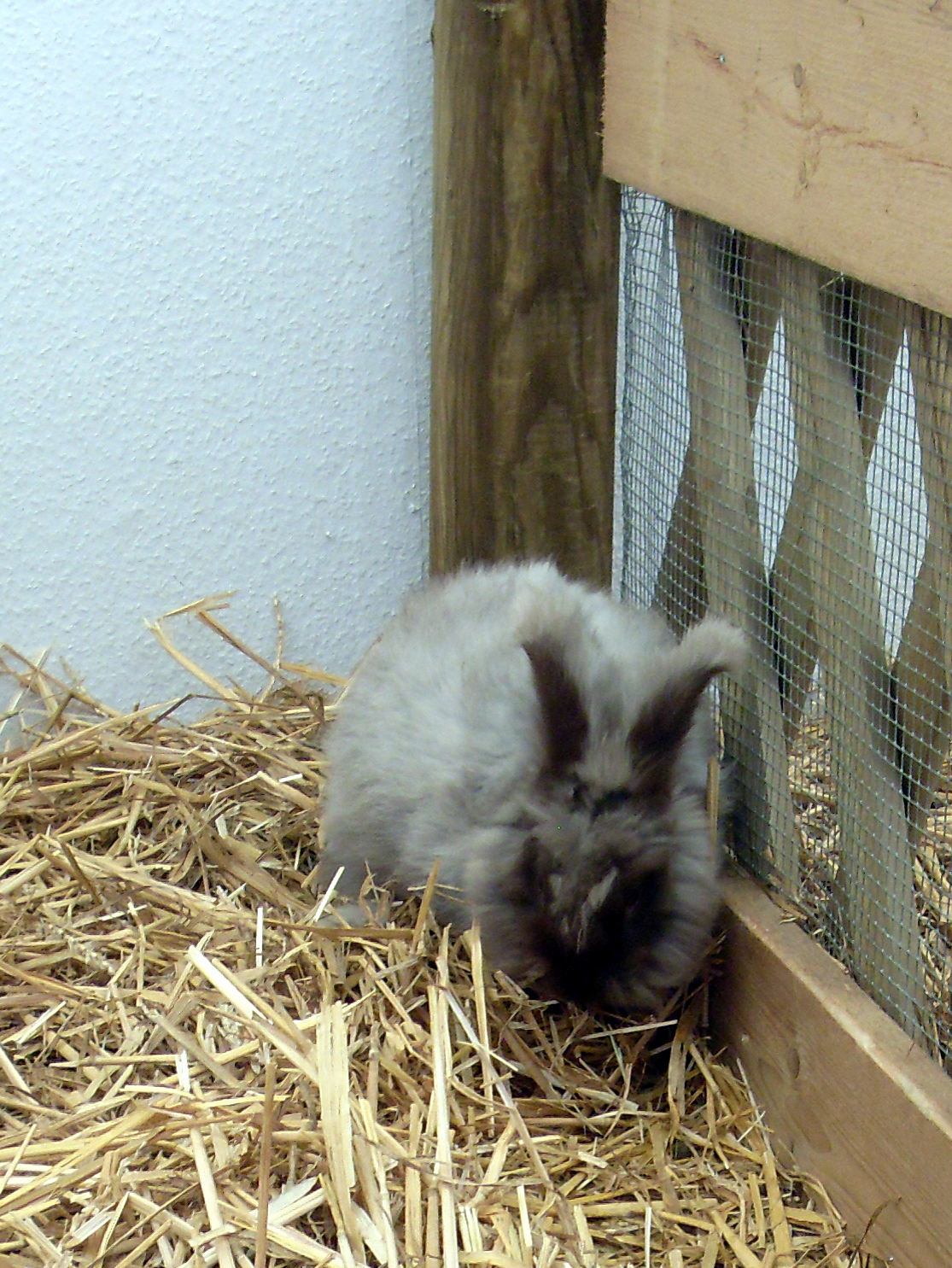
Rabbits are meticulous self-groomers — they spend a significant portion of each day cleaning their fur, much like cats. However, domestic rabbits still require regular human-assisted grooming, particularly during moult. The key to effective grooming is matching your approach to your rabbit’s specific coat type. A brush that works beautifully on a short-haired Rex will be largely useless on an Angora.
Why Grooming Matters
Hairball Prevention (Trichobezoars)
Unlike cats, rabbits cannot vomit. Any fur ingested during grooming passes through the digestive system. During heavy moults, this can accumulate faster than the gut moves it, contributing to GI slowdown. Assisted brushing removes loose fur before your rabbit can ingest it, significantly reducing this risk.
Skin and Coat Health Monitoring
Every grooming session is an opportunity to check for:
- Skin irritation, sores, or bald patches
- External parasites (fur mites, fleas)
- Matted fur (especially around the hindquarters)
- Unusual lumps or skin changes
Bonding
Many rabbits — particularly those raised with gentle handling — learn to enjoy or at least tolerate brushing sessions. Regular, gentle grooming builds trust and is one of the most meaningful physical interactions you can have with your rabbit.
Grooming by Coat Type
Short-Haired Breeds (Dutch, Rex, Mini Rex, Lionhead body)
Frequency: Weekly (daily during moult) Tools: Soft slicker brush or rubber grooming mitt
Short-haired rabbits require the least grooming but still benefit from weekly brushing, especially as they shed. Rex breeds have particularly plush, velvety coats that lie flat — a rubber mitt works especially well as it grabs loose fur without disrupting the texture.
Technique: Brush in the direction of fur growth. Use light, gentle strokes. During moult, you may be surprised by the volume of fur removed even from a “short” coat.
Medium-Haired Breeds (Holland Lop, French Lop, New Zealand)
Frequency: 2–3 times per week (daily during moult) Tools: Fine-toothed comb + slicker brush
Medium coats tangle more readily than short coats, particularly around the neck and behind the ears. Work through tangles from the tips inward — start at the end of the fur and gradually work toward the skin to avoid pulling.
Long-Haired Breeds (Angora, Lionhead full mane, Jersey Wooly)
Frequency: Daily Tools: Wide-toothed comb + slicker brush + mat splitter or scissors for matts
Long-haired rabbits are a significant grooming commitment. Daily brushing is not optional — neglect leads rapidly to severe matting that can cause skin damage, harbour parasites, and pull painfully on the skin. Many owners of Angoras consider professional grooming or clipping every 8–12 weeks.
Rex Coats (Rex, Mini Rex)
Frequency: Weekly (gentle — rex fur is directional and can be damaged by over-brushing) Tools: Rubber grooming mitt or damp hands
Rex fur has guard hairs the same length as the undercoat, giving it its distinctive plush velvet texture. This coat type is unusual in that brushing against the grain with a slicker brush can damage it. Use a rubber mitt or simply dampen your hands and run them along the coat to collect loose fur.
Dealing with Matts
Small matts can sometimes be worked out with your fingers or a wide-toothed comb, working from the tip of the matt inward. Never cut close to the skin with scissors — rabbit skin is extremely thin and tears easily. If a matt is close to the skin, use blunt-tipped scissors and cut parallel to the fur shaft, never perpendicular to the skin. When in doubt, have a vet or professional groomer handle matts.
Making Grooming Stress-Free
- Always groom on a non-slip surface (a rubber-backed mat or towel on a table)
- Keep sessions short, especially initially — 5 minutes is enough
- Offer a small treat before and after to build positive associations
- Never restrain a struggling rabbit — if they want to leave, let them and try again later
The RabbitCare App
The RabbitCare App (free on Android) includes grooming reminders that can be set by coat type — weekly reminders for short-haired breeds, daily alerts during moult season — so you never let grooming lapse during heavy shedding periods.
References & Sources
- RWAF — “Grooming Your Rabbit” — rabbitwelfare.co.uk
- House Rabbit Society (HRS) — “Grooming” — rabbit.org
- Harcourt-Brown, F. (2002) — Textbook of Rabbit Medicine, Butterworth-Heinemann
- PDSA — “Rabbit Grooming Guide” — pdsa.org.uk
- Meredith, A. & Lord, B. (Eds.) (2014) — BSAVA Manual of Rabbit Medicine, BSAVA
Free Android App
Master Your Rabbit's Care
Make daily bunny care effortless. Download the free Rabbit Care App for customized care plans, expert vet advice, and smart daily tracking.


