Rabbit Care
Grooming Long-Haired Rabbit Breeds: Angora and More
Long-haired rabbits need daily grooming to prevent dangerous matting. Learn the tools, techniques, and schedule for Angora, Lionhead, and Jersey Wooly breeds.

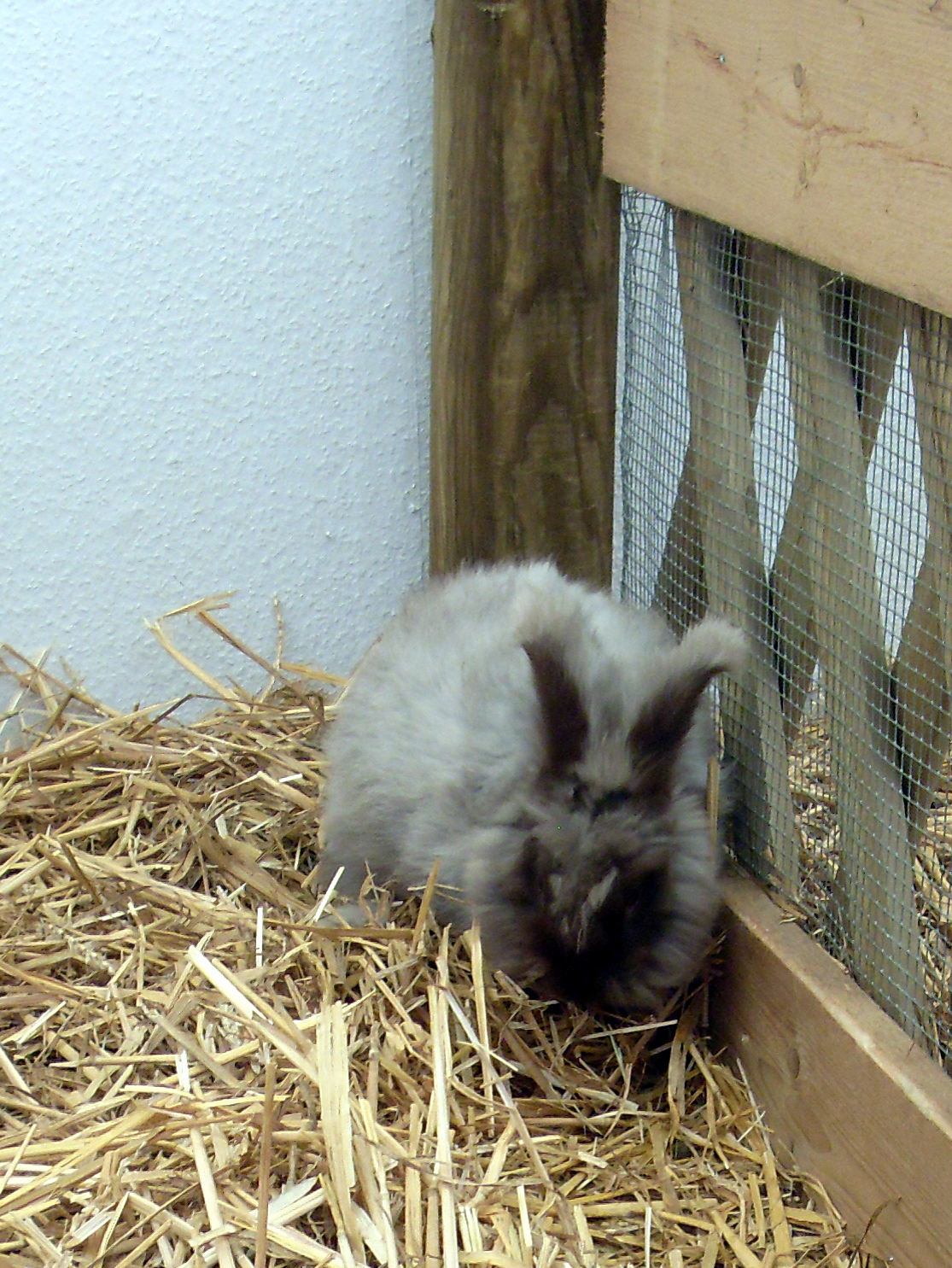
Long-haired rabbit breeds are among the most visually striking animals in the pet world — the flowing coat of an English Angora or the magnificent mane of a Lionhead are genuinely extraordinary. They are also among the most grooming-intensive pets you can keep, and potential owners should understand this commitment fully before bringing one home. A long-haired rabbit that is not groomed daily will develop painful, dangerous matting within days — not weeks.
Long-Haired Breeds and Their Grooming Needs
English Angora
The most extreme coat in the rabbit world: dense, wool-like fur that can reach 10–12cm in length and covers even the face and ears. Requires daily grooming without exception. Many owners have Angoras professionally clipped every 8–12 weeks to manage the coat at a practical length.
French Angora
Slightly less extreme than the English — the face is clear — but the body wool is still dense and requires daily attention.
Giant Angora
Largest of the Angoras, with proportionally dense coat. Daily grooming essential.
Lionhead
The Lionhead has a distinctive mane of longer fur around the head and neck, with shorter fur on the body. Some Lionheads carry a “double mane” gene that extends longer fur further down the back and flanks. The mane needs daily attention; the body needs 3–4 times weekly grooming.
Jersey Wooly
A smaller breed with a softer, more manageable wool-type coat. 3–5 times weekly grooming is typically sufficient, though daily is better.
American Fuzzy Lop
Wool coat combined with lop ears (which increase the warmth and moisture around the face). Daily grooming recommended, with particular attention to the area around the ears where matting is most likely.
The Matting Problem
Matts form when loose, shed undercoat becomes entangled with the longer guard hairs rather than being removed. In dense coats this happens extremely rapidly — within 24–48 hours of a missed grooming session during a moult. Matts:
- Pull painfully on the skin
- Trap moisture against the skin, causing bacterial or fungal infection
- Can harbour parasites
- Restrict movement
- In severe cases, wrap around limbs and restrict circulation
A severely matted rabbit requires veterinary attention — often sedation or anaesthesia to safely remove matts without lacerating the rabbit’s thin, easily torn skin.
Essential Tools for Long-Haired Coats
- Wide-toothed comb — primary tool; work from tips of fur toward the skin in sections
- Fine-toothed comb — for finishing and detecting early tangles
- Slicker brush — for finishing after combing and for moult periods
- Mat splitter or mat rake — for splitting (not pulling) existing matts before attempting to comb them
- Blunt-tipped scissors — for carefully cutting out tight matts (always cut parallel to fur shaft, away from skin)
- Grooming table with non-slip surface — essential for longer sessions
Daily Grooming Technique for Long Coats
- Inspect first — run your fingers gently through the entire coat, feeling for early tangles or matts before they tighten
- Work in sections — divide the coat mentally into sections (back, sides, hindquarters, belly, chest, face for breeds where the face has long fur)
- Comb from tips to roots — always start at the tip of the fur and work toward the skin to avoid pulling. Never drag a comb from root to tip through a long coat
- Address tangles immediately — early tangles can often be worked out with fingers and then combed through. Leaving them means matts by next session
- Belly and hindquarters last — most rabbits are sensitive about their underside. Leave these until the rabbit is relaxed
- Finish with slicker brush — removes remaining loose fur and leaves the coat lying smoothly
Preventing Matts in Problem Areas
Certain areas matt most readily:
- Behind the ears — particularly in Lionheads; check and comb daily
- Around the collar/neck — where the rabbit’s body movements create friction
- Hindquarters — especially around the genitals and inside the thighs
- Armpits — friction from movement creates matts rapidly here
Give these areas extra attention at every grooming session.
Clipping vs. Grooming
Many long-haired rabbit owners, particularly Angora owners, elect to have their rabbit’s coat clipped short (to approximately 2–3cm) every 8–12 weeks by a professional groomer experienced with rabbits. This significantly reduces the daily grooming burden during the period between clips. Angora wool from clipping or combing is prized for spinning by some crafters.
The RabbitCare App
The RabbitCare App (free on Android) includes daily grooming reminders ideal for long-haired breed owners — configurable to prompt morning grooming sessions and alert you when the next professional clipping appointment is due.
References & Sources
- RWAF — “Long-Haired Rabbit Care” — rabbitwelfare.co.uk
- House Rabbit Society (HRS) — “Grooming Long-Haired Rabbits” — rabbit.org
- Harcourt-Brown, F. (2002) — Textbook of Rabbit Medicine, Butterworth-Heinemann
- PDSA — “Rabbit Grooming” — pdsa.org.uk
- Varga, M. (2014) — Textbook of Rabbit Medicine (2nd ed.), Elsevier
Free Android App
Master Your Rabbit's Care
Make daily bunny care effortless. Download the free Rabbit Care App for customized care plans, expert vet advice, and smart daily tracking.